Episode Overview
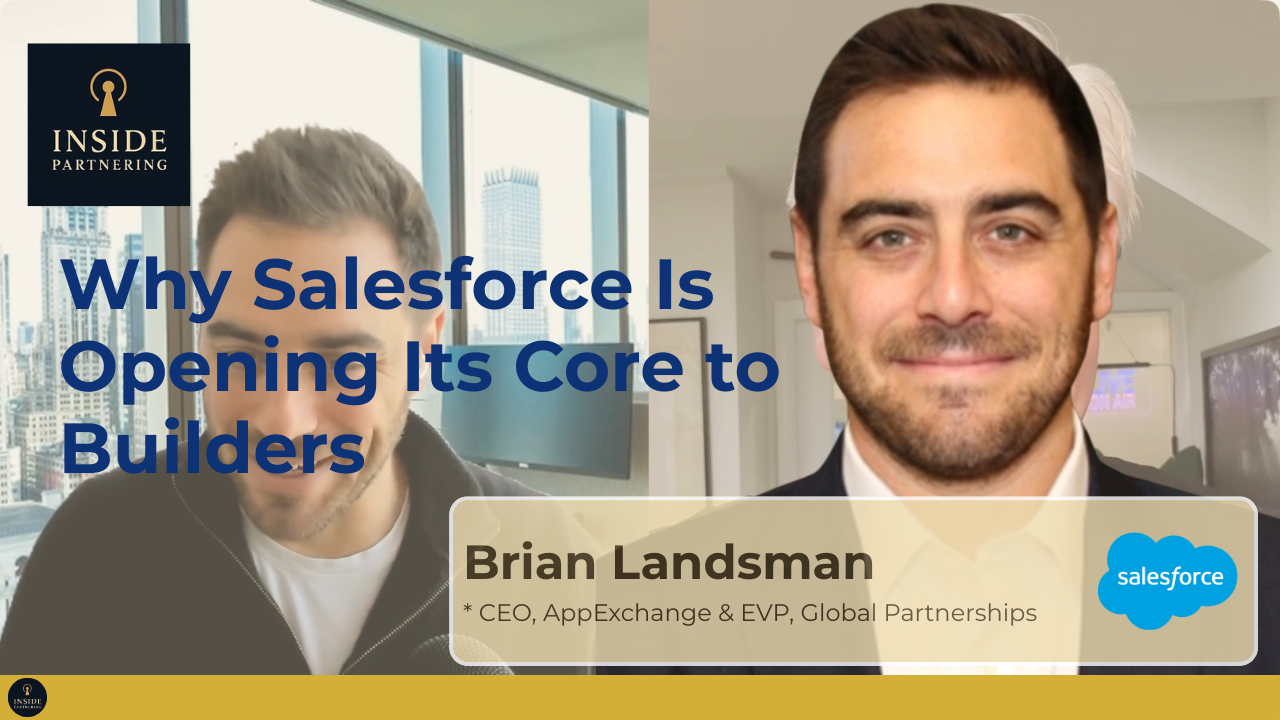
Big news from Salesforce this morning for partners! A major new way for startups, ISVs, and enterprises to build, launch, and monetize AI-enabled digital products on the Salesforce trusted enterprise platform.
I sat down with Brian Landsman - 𝗖𝗘𝗢 𝗼𝗳 𝗔𝗽𝗽𝗘𝘅𝗰𝗵𝗮𝗻𝗴𝗲 𝗮𝗻𝗱 𝗘𝗩𝗣, 𝗚𝗹𝗼𝗯𝗮𝗹 𝗣𝗮𝗿𝘁𝗻𝗲𝗿𝘀𝗵𝗶𝗽𝘀 𝗮𝘁 Salesforce - to unpack the strategy behind the announcement and explore how partnerships are evolving in the agentic era.
Brian explains how partners can tap into technologies like 𝗔𝗴𝗲𝗻𝘁𝗳𝗼𝗿𝗰𝗲 𝟯𝟲𝟬, 𝗗𝗮𝘁𝗮 𝟯𝟲𝟬, 𝗠𝗮𝗿𝗸𝗲𝘁𝗶𝗻𝗴, 𝗧𝗮𝗯𝗹𝗲𝗮𝘂, 𝗮𝗻𝗱 𝗜𝗻𝗱𝘂𝘀𝘁𝗿𝗶𝗲𝘀 to turn their domain expertise and IP into real, revenue-generating products.
Instead of building infrastructure from scratch, partners can build directly on Salesforce’s enterprise-grade foundation.
We talk about:
✅ How AppExchange partners are already creating agentic skills for Agentforce
✅ Why co-sell is shifting toward post-sale adoption
✅ The massive opportunity for consulting partners with deep industry expertise
✅ How partners can help Salesforce field teams drive usage-based success
✅ What a future of agents collaborating across platforms could look like
Brian captured it perfectly:
“𝗖𝗼𝗺𝗲 𝗯𝘂𝗶𝗹𝗱 𝘆𝗼𝘂𝗿 𝗯𝘂𝘀𝗶𝗻𝗲𝘀𝘀 𝗼𝗻 𝗦𝗮𝗹𝗲𝘀𝗳𝗼𝗿𝗰𝗲.”
This one is packed with insight for ISVs, SIs, alliances leaders, and anyone thinking about how to build intelligent products on a trusted enterprise platform.
Congrats to Brian and team! And thanks Brian for taking time to dive deep on the news!
Full interview here on Substack:
Podcast
Guest
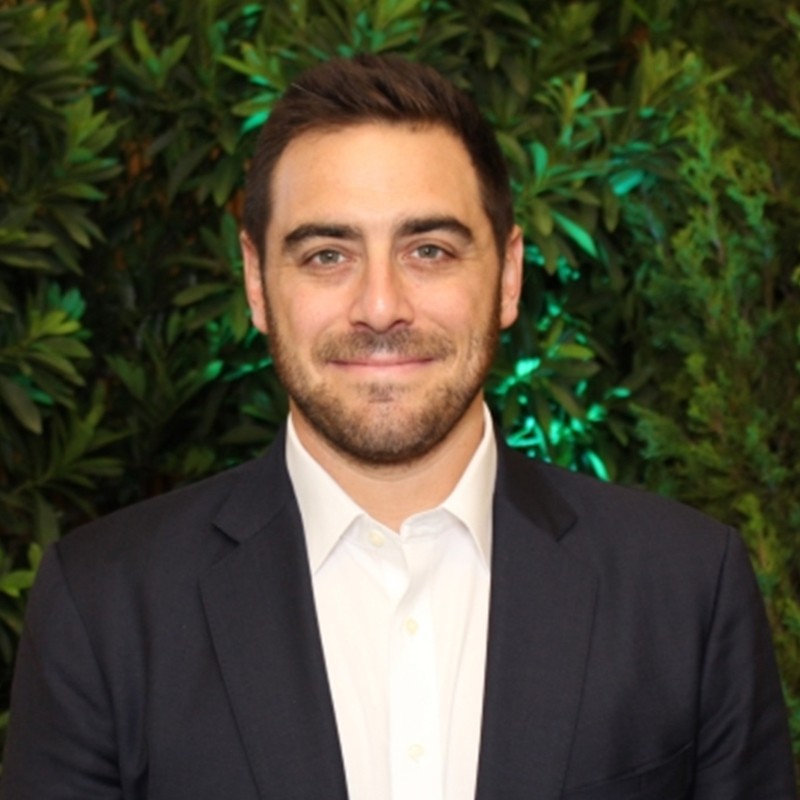
Brian Landsman
I serve as CEO of Salesforce's AppExchange business, which includes our AI agent marketplace, the AgentExchange, and the Slack Marketplace. I lead teams responsible for revenue, go-to-market strategy, product management, technology, and operations.

Episode Transcript
Brian Landsman
===
[00:00:00] Brain Landsman: We are selling Sales Cloud and then we might be selling Agent Force. And the ecosystem is really an enabler to our customer success in using those
[00:00:08] as we really wanna bring as much of the ecosystem in as possible 'cause our customer just tend to be more successful for both of our businesses when they've maintained those integration points and they're not having to go build them on their own, or they're not having to go build custom integrations. They're not having to go build custom skills when third parties exist.
[00:00:28] Any advice that you would give, what are the criteria you are looking for from partners that you'd say, Hey, this, these, we'd really like to lean into a co-sell arrangement. Are there things that partners should be doing to enhance their ability to be able to work with the Salesforce field teams?
[00:00:45] Yeah. I think especially in the world of agentic new use cases and adoption of those use cases
[00:00:54]
[00:00:58] Chip Rodgers: Hey everyone. Welcome back to another [00:01:00] episode of Inside Partnering Chip Rodgers here, and I'm so excited to be joined by Brian Landsman. Brian welcome.
[00:01:07] Brain Landsman: Thanks for having me, Chip.
[00:01:09] Chip Rodgers: Yeah, so Brian joining from your home in New York, and a beautiful skyline in the background there. Looks like a nice day in New York today.
[00:01:19] Brain Landsman: I would be lying if it's, if I said it's a nice day in New York. This is a virtual background of our great New York City office, but I am at home today making it make sure we had a quiet environment to to talk.
[00:01:29] Chip Rodgers: Yeah. Terrific. So I'm so excited to have Brian join. And just by way of introduction, Brian is CEO of AppExchange that we all know and love and and then also EVP of Global Partnerships for Salesforce. First, congrats. Brian, just, big job with Salesforce and Salesforce has always been so partner friendly that it's really great to have you on and just talk about the things that are going on with Salesforce.
[00:01:55] Brian, welcome.
[00:01:56] Brain Landsman: Thanks, Jeff. Yeah, I mean we we love our partners here at [00:02:00] Salesforce and we're really excited about a lot of things we're doing with them across a number of different projects and initiatives. Looking forward to talking about it.
[00:02:07] Chip Rodgers: Yeah. Fantastic. Brian, why don't we start with, your role and , how, how you think about, partnerships and what your team is up to these days.
[00:02:18] Brain Landsman: Yeah. In my role I sit across a number of different partner ecosystems at Salesforce. It's almost, if you think about it like a pyramid, we have. A set of partners that have very large corporate relationships with the company. Your Amazons, your Googles. These are large vendors to us.
[00:02:35] Large strategic partners, often large customers very bespoke. Highly tailored, highly managed. Relationships. We're starting to evolve those with some of the new AI players like Open AI and Anthropic, who
[00:02:48] announced great partnerships with, had the Dreamforce couple weeks
[00:02:50] Chip Rodgers: Yeah.
[00:02:51] Brain Landsman: And then we start to get out into our different types of ecosystems from both a technology and from a services perspective. We have partners who build [00:03:00] capabilities into our marketplace strategies, whether that be the traditional app exchange that folks know the agent exchange, which is a subset of the app exchange focused around our Agent Force product, our Slack marketplace, which is really humming at the moment with enormous amounts of activities from all of the. Incredible innovators in the AI space building both AI enabled apps and agents for Slack that you can interact with directly in Slack.
[00:03:26] Chip Rodgers: It seems like a natural, right? It's just it's so engaging and interactive. Slack is already there, there are so many things that use cases you could think of.
[00:03:35] Brain Landsman: Yeah, the organic adoption of the Slack marketplace is really on fire. I think what we're seeing is folks are looking for a surface to interact with agents interact with AI applications, whether they're doing it around coding or they're doing it around productivity or around some sort of design principle. Slack is naturally becoming a place where people are interacting with some or more than one of those capabilities from other parties.
[00:03:58] Chip Rodgers: Yeah. Yeah. [00:04:00] Amazing. Brian, Salesforce has had a big announcement this morning. Maybe tell us a little bit about what that's all about and and I'm really excited about it, so love to hear.
[00:04:10] Brain Landsman: Yeah, so that's kinda the third part of our partner ecosystem that I'm focused on, which is really our platform and allowing companies, thousands of whom have been building on the Salesforce platform for a very long time to effectively OEM or white label more of our capabilities, including the ones that we have just released over the last couple years, including our Data 360 product and our agent force products.
[00:04:34] So really allowing companies to build next generation AI enabled applications on the Salesforce platform, much like they might've built a SaaS business on the Salesforce platform over the last 20, 25 years.
[00:04:47] Chip Rodgers: So that's exciting because, Salesforce is deployed everywhere, right? It's like the, it's like the default system of record. And when you're talking about. Dealing with customers and from full lifecycle, right? From engaging [00:05:00] customers to supporting and and all the way through.
[00:05:03] Makes a ton of sense, and I know a lot of partners would like to have access to that market, right? So tell us like what does that, what does the announcement mean for them in terms of building a ag agentic within that ecosystem?
[00:05:18] Brain Landsman: Yeah. I think for partners, if we are an existing partner built on the Salesforce platform. All of the work that we've been doing over the last, let's say five years to really integrate all the applications into a single source of truth around customer data, bringing more capabilities from the acquisitions we've made over the last 10 years directly onto our core platform, and then to build Agent Force on top of all of that. We're now bringing all of those capabilities to our partners to incorporate into their business. So this is extensive, billions of dollars of R&D that Salesforce has undertaken over the last five years that we're now exposing to our partners and allowing them to effectively just bring to market.
[00:05:58] So we have [00:06:00] partners who have taken the Salesforce platform. Into many different verticals, into many different segments, into many different geos, really building that layer on top that layer that the company may have expertise in. Great example of that might be a company like Litify It was built legal processing on the Salesforce platform. they want to incorporate these agentic capabilities that we're rolling out, they don't have to go build these natively. They can bring them right to bear directly in the product that they've already standardized on the Salesforce platform. So we're really excited about bringing that there. And then soon we're gonna be bringing some of our other application capabilities, our new marketing product that's built natively on core, our new Tableau product that's built natively on the Salesforce platform.
[00:06:41] So really exposing all of that. To really be solutioned by partners and then brought to market on their own.
[00:06:48] Chip Rodgers: I really love that. And I think you said the key word there, which is, I think customers these days companies are organizations, are really looking for solutions, right? They're not looking for sort of point products, right? They [00:07:00] wanna an entire solution. And so it sounds like this is addressing that that directly.
[00:07:05] Brain Landsman: Yeah, I think people are really excited about the speed at which people can develop software. Now, whether that's vibe coding applications or using AI, enabled coding it really allows you to build software really fast. But the things that Salesforce has that we've had for a really long time are, the real foundations that make something enterprise great.
[00:07:27] You can go vibe code, a piece of software that's disposable is the term I've heard. But we believe, enterprises don't want disposable software. They want something that is going to be maintained that has 24 7. Maintenance and operations has threat detection as compliance auditing as enterprise uptime and guaranteed SLAs on that uptime. Has the right level of single sign on and encryption. And then also has all of the scalability around it with our giant SI ecosystem, our system of admins who would know how to use the product. And [00:08:00] that's very hard to build. That is a very hard thing to just recreate on your own and what we're effectively saying, what this new announcement is. We want you to take advantage of some of those capabilities. In fact, we're providing them through our developer experience with things like Salesforce Vibes, which is our own vibe coding platform in the Salesforce coding language. Really we're allowing you to take advantage of this real 20 years of development that we've done to the platform that you as a company, whether you're an existing ISV, potentially someone who's interested in starting a software business, you don't have to worry about it all.
[00:08:30] You can come take that ride from us.
[00:08:33] Chip Rodgers: That's amazing. That's great. I can see that as being a lot of value for partners especially. And you mentioned something interesting, which is partners that have, really specific and deep expertise within certain industries or use cases, then they can take all of the technology pieces and pull it together to go deliver something within that industry vertical.
[00:08:54] Brain Landsman: Yeah, and those industry verticals, we, we've had obviously incredible partners in very [00:09:00] big industry verticals like nCino in financial services and Honeywell and Compliance Quest in manufacturing. But we are starting to see lots of very unique verticals coming to build on the platform at one of my favorite partners that's, launched recently on the Salesforce platform is this company called Harvest Path. And they've effectively built livestock management on the platform. You may be a Salesforce user or used to the sales object and the
[00:09:27] Chip Rodgers: Right.
[00:09:27] Brain Landsman: object, but Harvest Path has objects for things like cows and chickens and other livestock that a farmer might want to manage from their entire lifecycle from when they're born until, when they, might come to market. That's a very unique use case and was actually started by a former Salesforce employee who had experience building on the platform, but also understood farming was in need of this solution really did not exist. And he was able to bring that to market quite quickly [00:10:00] because of the power of the platform.
[00:10:01] Chip Rodgers: That's amazing. That's a what a great story. I love that. Really unique application, right? That's something that you ordinarily would think of for Salesforce, so I love that.
[00:10:13] Brain Landsman: If you are a business that has, really a, an object that kind of moves through a process and has some workflow associated with it. It's really a nice natural fit on the platform. The reason a company like Honeywell, who I mentioned, or Compliance Quest worked really is they're managing quality management. Through all manufacturing processes and each one of those processes has compliance needs where you're actually managing those objects through the manufacturing process. They may have ticketing needs for things that are being investigated or looked at to improve the quality management on the platform. But you can really look at it for anything I use Litify as an example. A legal case moves through a process. Everything starts from the way you could think about Salesforce as a lead [00:11:00] or service case, and it moves through a process to a
[00:11:02] And workflows are triggered throughout that.
[00:11:04] And so any process that has that type of a business is really a great fit for the platform. And I think previously lots of SMBs were reticent to come build because. They thought you'd need this big army of folks to come build. What we've shown is you don't need that many folks to come build a really enterprise grade app, even if it's for a very specific industry
[00:11:27] Chip Rodgers: Mm-hmm.
[00:11:28] Brain Landsman: Um, And that is what we're now doing with Agentic. We're now offering those same capabilities with our Agentic platform, which again, same thing is something that's not easy to just snap on.
[00:11:37] Chip Rodgers: Yeah. And I can see that agentic fits perfectly into that as well, right? Because it's all about process and and then automating that in a smart way, right? Intelligent way. Yeah. That's very cool. Brian, I'm curious, Salesforce talks about with AppExchange that 90% of customers use some kind of partner built [00:12:00] solution from AppExchange.
[00:12:01] How do you see that? Do you see that a similar, uptake with the Agent Exchange?
[00:12:08] Brain Landsman: I think it's still early days with the Agent Exchange
[00:12:10] Chip Rodgers: Yeah.
[00:12:11] Brain Landsman: and we do see, 90 plus percent of our customers using. At least one App Exchange application when they deploy Salesforce. But I think some of the paradigms are gonna come through agentic. In fact, many of the early success cases we're having with the Agent Exchange are existing App Exchange partners who have created agentic skill or in a set of agentic skills that customers can plug into Agent Force.
[00:12:33] So something really simple as if I'm building a sales agent or a sales oriented agent, I might want document generation. I might want sales enablement from a knowledge base of sales capabilities, training materials. I might want e-signature, I might want A CPQ oriented products. These are classic categories that have existed in the App Exchange for a long time, but now if I'm using that in an assistive [00:13:00] case with an agent. That agent should have the same skills that I might've had if I was the person going and clicking into that app. And that's really how we're seeing the beginning of the adoption. But we're also seeing that verticals, we're seeing that in other clouds that we have or other use cases like service or marketing. And so we expect a very similar shift towards our agentic tools
[00:13:19] Chip Rodgers: Love that. That's really cool. It's a, it's an amazing number. It's, it really shows, again, goes back to the power of the ecosystem around Salesforce and how Salesforce really values and invests in partners.
[00:13:32] Brain Landsman: Customers, make very large investments into Salesforce. They build their entire business on Salesforce. They build their deep business processes on Salesforce, and they want it to be easy to bring in the third party tools that they use, the third party tools that they need, capabilities that they want to connect easily to that big investment, they want to see the ROI for that investment. And that's what the App Exchange provides them. It provides them faster time to value, it provides them more return on investment, [00:14:00] and it provides them, less need to maintain these integrations from a custom perspective and actually have the partner push those updates as more innovation happens at the partner's capability.
[00:14:09] Chip Rodgers: Yeah. Yeah. And it's, and it, it's it's a realization of the understanding that not one company can build everything. Right. And, And I think Salesforce has taken.
[00:14:20] Brain Landsman: Not one customer could build everything
[00:14:21] Chip Rodgers: Yeah, that's right. So it's something that Salesforce has recognized early on and and continues to invest here, so that's terrific.
[00:14:28] One of the things that partners, love to do, I think the value of partnering is the. The influence and being able to ex extend or broaden your your virtual account team as a sales team. And so co so I'm, where I'm going is co-sell. And I'm curious about, as for any partners that are, any Salesforce partners that are listening.
[00:14:52] Brain Landsman: Any advice that you would give, what are the criteria you are looking for from partners that you'd say, Hey, this, these, we'd really like to [00:15:00] lean into a co-sell arrangement. Are there things that partners should be doing to enhance their ability to be able to work with the Salesforce field teams?
[00:15:09] Yeah. I think especially in the world of agentic new use cases and adoption of those use cases is a very different motion than maybe selling in traditional software where, folks are really focused on selling in, that seat capacity, the license capacity. And so lots of the focus on co-selling or selling with partners happened pre-sale.
[00:15:33] It happened when customers were thinking about making a shift to Salesforce. Customers were thinking about making a shift to the cloud, and now as you're thinking about agentic, in many cases, they've already bought Salesforce, they already have Salesforce implemented, but now they're thinking about how they can turn on these agentic use cases, whether they're built by Salesforce, where the customer is, creating that agent, using Agent Force. And the first thing they're gonna do is start looking to the [00:16:00] existing capabilities they may already have in the App Exchange, or may need from their third parties or other pieces of software. And for us, for our sales representatives, they're fixated on making sure that the customers are going to be successful with those agents. There's usage based pricing around those agents, so it's very different than selling a license. The customer really has to adopt that in order for the rep to make quota to get paid. so they're gonna be looking to the partner ecosystem as a place where they can find those opportunities to start turning on those use cases, start turning on their adoption. We had a great partner company called Seismic does sales enablement, and one of the highest adopted Agent Force actions at customers like PayPal are using that Seismic capability because Seismic provides agentic sales enablement. So their reps are using that to learn how to sell their products better
[00:16:55] Questions to the knowledge base, how to sell their products better. And that is just like a really [00:17:00] straightforward, really good use case for a salesperson. And so you're seeing that natural alignment in our field because they're looking at that partner and saying, wow, that partner is gonna help me get my customers to success using Agent Force I, I'm able to sell them on the value prop of Agent Force, but I really am gonna start to drive quota relief and drive quota success as a sales rep at Salesforce where my customer adopts Agent Force for more than just one thing. They adopt it for as many business processes
[00:17:27] as possible. So if I was a partner and I was thinking about how to, draw attention from the 15,000 or so folks in the Salesforce field, I would be focused on that. I would be focused on telling my use case story to the market and
[00:17:42] really making sure that it was very clear how customers are gonna turn on Agent Force at greater speed and with greater success.
[00:17:48] Chip Rodgers: I love that. I think that's that's really actionable. And the, a lot of times the message that a a, a. An ISV has to a customer a little [00:18:00] different to the message that they would have to a Salesforce field field team. Yeah, I.
[00:18:06] Brain Landsman: it depends on, on, on the motion, the selling motion of the ISV. What I mentioned just now is really our Agent Exchange. It's really our aligned motion with our partners around our business. So we are selling Sales Cloud and then we might be selling Agent Force. And the ecosystem is really an enabler to our customer success in using those
[00:18:26] as we really wanna bring as much of the ecosystem in as possible 'cause our customer just tend to be more successful for both of our businesses when they've maintained those integration points and they're not having to go build them on their own, or they're not having to go build custom integrations. They're not having to go build custom skills when third parties exist. Our ISVs that are built on the platform, which is that first cohort I talked about many of the sell completely independently. And very happily. The of the Salesforce platform and the familiarity of the Salesforce platform is a really good selling point [00:19:00] to the end customer.
[00:19:01] ' Cause they may be familiar with how to use Salesforce as an admin. They may have Salesforce users already who understand the ins and outs of using a product like Salesforce. But, in many cases we're not co-selling with those partners at all. We're really just providing them a platform to build their product.
[00:19:17] Chip Rodgers: Yeah. I think, some of the sort of natural tendencies already built in to customers because they, like you said, they're already the field teams know under know Salesforce. Everybody's trained up operations teams, sales ops like IT, they're, everybody knows how this works, and they're already gonna lean in that direction.
[00:19:37] I'm curious, Brian because under your sort of purview you have ISVs, but also consulting and services partners, where do you see that sort of dynamic working where you got the consulting partners that are, implementing agentic solutions and then ISVs that are building solutions.
[00:19:55] How, what's the interplay there and where do you see that evolving?
[00:19:59] Brain Landsman: I [00:20:00] think the lines with consulting partners and ISVs, there always tends to be a little bit of an overlap. At times, I think many of our ISVs also provide professional services, and many of our consulting partners sometimes build great product
[00:20:13] Go sell more than once. They don't only want to go implement it for one partner, a custom solution.
[00:20:18] So we see that obviously that pattern often. Generally speaking, I don't think it's probably ever been a more exciting time to be a consulting partner around technology. I think there's this, of conventional wisdom that customers will need consulting partners less 'cause they go to chat GPT and ask it a bunch of questions and get a good answer, most of the time, which is really amazing. But I actually think the ecosystem of systems integrators and consulting partners is not even coming close to meeting the demand of customers for actually implementing this technology
[00:20:49] Importantly, this is not like. Implementing software where you have a way of focus on deploying it. You set up a couple of maybe important integration points and you do some business [00:21:00] planning around it. This is really designing. Entirely new business process, a new use case that in many cases is very bespoke for a customer in a certain region or a certain industry. And building that agenta capability isn't as simple as just turning it on. It's really understanding what it's gonna do, how it's gonna change the way you operate, and specifically how it's going to be iterated on and tested and improved. And what I'm seeing is customers are looking for. Partners who have expertise, deep domain expertise in them as a customer, less so maybe than just horizontal expertise in software in general, or even AI in general.
[00:21:38] If I was a systems integrator or starting one today I would pick an industry. I would pick a certain business process and I would go be the absolute best at that. And then I would go work on deploying technologies like Agent Force into those customers and really being both a consulting partner and a systems integrator at the same time.
[00:21:57] Chip Rodgers: Yeah.
[00:21:58] Brain Landsman: We're pretty excited about our [00:22:00] consulting partner ecosystem. We feel like there's gonna be some really, fresh life breathed into some of these partnerships.
[00:22:08] Chip Rodgers: I think you're right. It is ChatGPT, Claude, whatever, they're amazing the kinds of things that they can do. But as a customer that's deploying. Hey, agentic into your own environment to really make the best of it. It's like you still want somebody that's been through it and that's really gonna take you through that process and and if they've got an industry specialization, even be even better.
[00:22:33] Brain Landsman: Or geo or segment,
[00:22:34] Chip Rodgers: yeah.
[00:22:35] Brain Landsman: Deploying some of this technology for a company doing business, say in Asia versus North America. Again, it's gonna be different. Sales operates differently. I just got back from Japan. Very different selling motion, for our teams in Japan, to our customers in Japan than you'll find in, in, North America, particularly in America.
[00:22:53] Chip Rodgers: Yeah. Yeah. Brian, you guys have done at Dreamforce had, a bunch of announcements [00:23:00] with some, the very, strategic players Open AI AWS Google Gemini Anthropic. For customers that are thinking about like, how do I deploy in this sort of multi-cloud reality?
[00:23:14] What's your advice both for customers and for partners operating there?
[00:23:20] Brain Landsman: I think we want to abstract a lot of that complexity for them. I think that's part of the promise with Agent Force we part of the partnership announcements that we did at Dreamforce was really providing more choice in what model the customers want to run in Agent Force and also the hosting environment in which they want to run it.
[00:23:39] So we offer fully hosted all up, in one environment models with Anthropic AWS then. Customers can also choose to bring Google. They could also choose to bring Open AI into the reasoning engine of Agent Force. They obviously can choose a different model in their prompt builder, so when they're building the actual prompts for the agent, they can use different models for the [00:24:00] outputs. They can select those right in the product or they can configure it all up to use one model for everything. And that was part of what we announced at Dreamforce. We also announced that Dreamforce is things going the other way when you've assembled that technology, that technology to bear in some of the assistance or chat interfaces that customers are starting to adopt, like Chat GPT, like Claude, like Gemini.
[00:24:23] And we've partnered with all of those companies to start building those experiences, really leading with Open AI with their apps, SDK, to provide these rich Salesforce experiences starting to move closer to that with Gemini. We already have an integration with Google Workspace that provides Salesforce capabilities into the Gemini sidebar, the Gemini assistant there. And we're exploring how deep we can go with these partners. I think what we see and what we see the pattern take place into it had a really interesting announcement a few weeks ago. That really is, you use these LLMs to build incredible experiences in your applications. You take those [00:25:00] applications that have existing workflows, existing expertise, existing domain expertise, and you build those products.
[00:25:06] Where a customer can use an agentic interface, either as an assistant and some sort of assistive use case, or send an agent on a task using that software, but they may wanna prompt that from within the software application, from within the UI that Intuit or Salesforce or someone else has those, might wanna prompt that within ChatGPT.
[00:25:25] And really we wanna solve for where the customer is going to get the best experience and for their use case at the moment they need it.
[00:25:31] Chip Rodgers: Yeah, making it contextual,
[00:25:35] Brain Landsman: That's right.
[00:25:36] Chip Rodgers: Yeah. So things happen right, wherever they, wherever the user lives, right? Yeah.
[00:25:43] Brain Landsman: Yeah, the UI UX paradigms are shifting around
[00:25:45] We wanna make sure that Salesforce users are supported in all of them.
[00:25:48] Chip Rodgers: Yeah. Terrific. Brian, let's put on your crystal ball and if we're, two or three years out what are the things that you might be looking for to say, [00:26:00] Hey, we've gone in the right direction in terms of, AI innovation, customer innovate impact the health of the ecosystem.
[00:26:08] Anything that it comes to mind.
[00:26:10] Brain Landsman: Yeah, I think, agents collaborating with agents is really the North Star. Part of what we're building, both with Slack and also with Agent Force, are really these layers where technologies can speak to each other in natural language to really understand what the task to be done is.
[00:26:28] But then especially for software like Salesforce, really go into something more deterministic to go complete that task, rather than having the LLM kind of search for what the task is really think about. I have to go prompt it 20 times to get what I want. Really you want the agents in this case get you a deterministic outcome as fast as possible. And that deterministic outcome might be in Salesforce, but it might also be in Workday, which we have a great partnership with Workday might be in Google, might be sending an email. It might be prompting some of our incredible agent exchange [00:27:00] capabilities. And so I think a world that looks successful is all these technologies converging around the user and around the user experience. And then really converging also around the autonomous agent. So the agent is really able to experience that interoperability independently of the user prompting it or sending the agent to discover what that task should look and then it finishes out in the deterministic outcome. So to me if we can get there, I think we've succeeded.
[00:27:26] Chip Rodgers: That's terrific. Probably not a fair question because things are changing so fast that two to three years from now, who knows? Yeah, that's right.
[00:27:35] Brain Landsman: It's not quick. Things are moving here.
[00:27:36] Chip Rodgers: That's right. Brian, this has been fantastic. Gosh, I really appreciate you spending some time with us and sharing your, insights about the Salesforce partner ecosystem from your vantage point and about the the exciting announcement and opportunity to for partners to really build on the Salesforce platform.
[00:27:57] Brain Landsman: Come build your business on Salesforce. We have [00:28:00] multiple multi-billion dollar companies built on the platform, public companies in the first generation of software, and we're looking forward to seeing the next generation coming soon.
[00:28:10] Chip Rodgers: It's fantastic. Great. Great message. Brian. Thank you for joining and, yeah, really appreciate it. And thank you all for joining another episode of Inside Partnering. And if you enjoyed this conversation and want to be, have first access to other conversations like this subscribe and we will see you next time.
[00:28:29] Thanks everybody.
[00:28:31] Brain Landsman: Thank you.
[00:28:32]
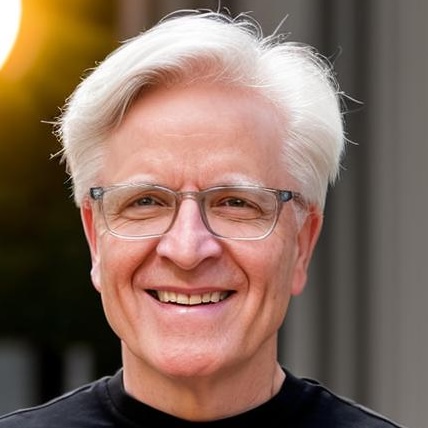
Chip Rodgers
🚀 CMO | Chief Partner Officer | B2B SaaS Growth & GTM Leader | Ecosystem Strategy | Demand Gen | Podcast Host 🎙


.png)