Episode Overview
Allison Johnson joined Inside Partnering for a wide-open conversation about what it takes to succeed as an ISV inside AWS today.
From the rapid rise of agentic, to how partners should think about AWS Marketplace, to the mechanics behind SCAs, she offered a clear view into how AWS is evolving its partner motions and what ISVs can do to stay ahead.
A Role Built for Today’s Moment
Allison is Director of the Americas Technology Partners team at AWS, overseeing a huge and diverse portfolio - from some of the largest infrastructure players to biz-apps, industry specialists, emerging GenAI companies, and born-on-Bedrock startups. She also manages teams dedicated to SAP.
Inside Partnering is a reader-supported publication. To receive new posts and support my work, consider becoming a free or paid subscriber.
Her vantage point touches nearly every corner of the AWS partner ecosystem. And as she put it, this is a uniquely energizing moment to be in her seat.
Allison described meeting a colleague after visiting startups building on Bedrock. On the drive back, she told her: “We’re so lucky to have these jobs.” That energy runs throughout the conversation - AWS feels like it is in the middle of a generational shift, and ISVs are at the center of it.
Agentic - What ISVs Need to Know
Across every partner segment, Allison is hearing the same thing: ISVs are trying to understand how to build agents, how to integrate AI into their applications, and where to start with AWS.
To support that, Allison challenged her own team to build internal agents using AWS’s AI stack. They created what she calls an “agent check ride process” - building automations using Q, Kiro, Flow, and other tools so the team could speak from experience.
The result is a hands-on understanding of how agentic development works, what simplifies the process, and what blocks partners typically hit.
On the ISV side, the agentic options fall into a few buckets:
- Build your own using Agent Core
- Use off-the-shelf agents like Q for Business, Q Developer, or Connect for customer service
- Tap into Agent Marketplace, launched in July and already expanding rapidly
- Lean on workshops and SA support to accelerate custom builds
Allison noted that each partner’s AI motion is unique. But all successful paths include learning the tools firsthand, closing internal knowledge gaps, and positioning agentic as a value driver across the product.
Marketplace - Still the First Route to Co-Sell
Marketplace remains one of the most important levers for ISVs. As Allison put it plainly, Marketplace is “the first route to market for ISVs who want to do anything around co-selling with our reps.”
The platform has evolved from early days as a full-price self-service listing model into a global procurement engine with private offers, flexible pricing, SaaS free trials, pay-as-you-go, SaaS options, professional services, multi-currency, and more.
A few key themes from Allison:
- Marketplace is now simply how customers want to buy
- Procurement teams are pushing for it because it reduces friction
- ISVs increasingly win competitive deals because they can transact through AWS
- The international expansion (including India just recently) is accelerating partner reach
- Many sales leaders inside ISVs are now mandating ACE entries and Marketplace motions
Her early story about writing the first CPPO contract by hand in 2017 captured just how far Marketplace has come. That one deal helped trigger years of innovation - and ISVs today see the benefits.
Strategic Collaboration Agreements - When They Matter
SCAs are not for everyone. Allison made that clear. AWS has thousands of partners, and only a small percentage engage in SCAs.
They are most effective when an ISV is already scaling, has meaningful AWS revenue, and is ready to lean into deeper joint build, joint marketing, and co-sell motions.
The core structure typically covers:
- Co-Build - integrations, console visibility, embedding AWS services, GenAI components
- Co-Market - campaigns, webinars, sales events, demand creation
- Co-Sell - revenue, pipeline, ACE entries, industry targeting, field alignment
But the true unlock is sales alignment. As Allison said, without sales buy-in, “it doesn’t go anywhere.”
Quarterly business reviews, performance-based funding, and goal tracking reinforce the discipline needed to make SCAs successful for both sides.
Industry Alignment - Practical, Not Prescriptive
AWS’s field realigned around industries in early 2024. But that doesn’t mean ISVs need to mimic AWS’s structure.
Instead, Allison recommends a realistic approach: identify the two or three industries where you already have traction and focus co-sell motions there. That alignment helps AWS reps understand where the ISV can support their accounts and makes early wins much easier.
The Evolving Channel - CPPO, GSIs, and Distributors
Allison shared a fascinating look at how channel partners have changed:
- Software companies now sell services
- GSIs are often now software builders
- Resellers often have become MSPs
- Distributors are listing AWS-linked catalogs
CPPO, launched in 2018, was a major accelerator. Today, CPPO is fully aligned with direct Marketplace functionality, including pricing, reporting, payments, and discovery tools.
Channel partners now drive a huge portion of Marketplace transactions - and the lines between ISV, SI, MSP, and reseller are more blurred than ever.
A Conversation Filled with Insights
Allison brings a voice shaped by nine years inside AWS Marketplace, AI, and partner development - and decades of broader channel experience before that.
For ISVs navigating agentic, Marketplace, or co-sell inside AWS, her guidance is gold: start with clarity, learn the tools firsthand, build the right alignment, and treat AWS like the strategic engine it can be.
Podcast
Guest
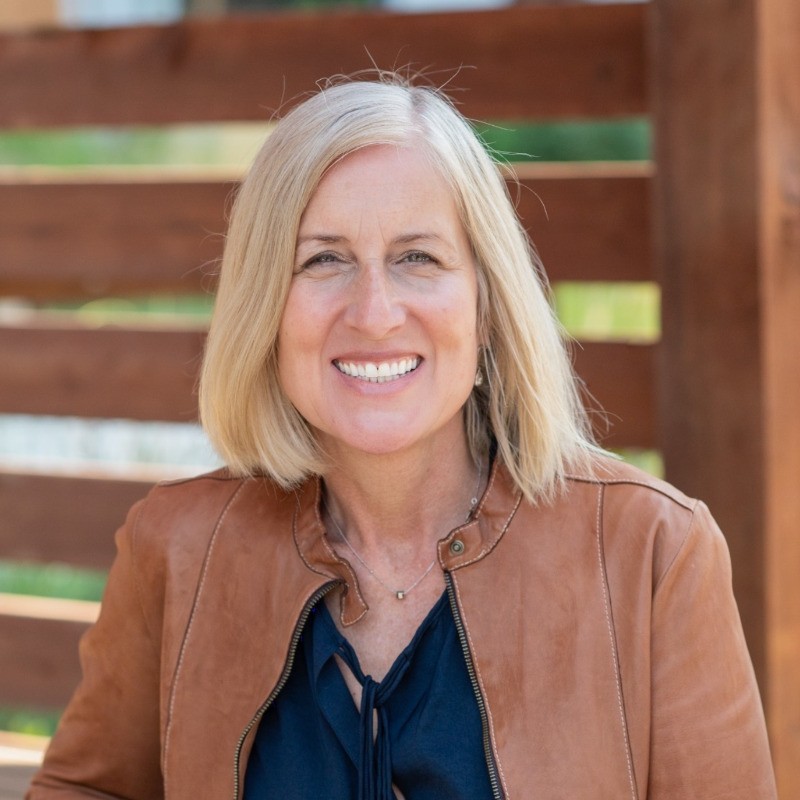
Allison Johnson
Accomplished Business Development and Product Management Leader with over two decades of proven success in the technology sector. Expert in ideating, spearheading, expanding, and managing disruptive and innovative initiatives. Demonstrated success in creation of multiple disciplined teams that create and drive durable businesses with strong results. Deep experience in cross organizational collaboration with finance, legal, PR/analyst, marketing, GTM, sales and global teams to develop organizational wide goal alignment and global outcomes.

Episode Transcript
Allison Johnson
===
Allison Johnson: [00:00:00] Yeah. And it's what's really interesting on the businesses of BizOps partner I was talking to, we, that they sell to a totally different line of business, the CMO, right? But they don't always have the support of the, the CIO or the IT team. And so to be able to leverage that from our sales teams and then our sales team's able to broaden their footprint with another business unit. It's such a great marriage, right? And so that, that has been really fascinating to see as well.
Chip Rodgers: So let's talk about agentic for ISVs. What what's important and how should ISVs be thinking about that?
Allison Johnson: Yeah, it doesn't really matter who I'm talking to at this point right now, so many of our ISVs are trying to figure out how to create agents and what to do with them
Chip Rodgers: Hey everyone. Welcome back to another episode of Inside Partnering. Chip Rodgers here, and I am so excited to be joined by Allison Johnson. Allison welcome.
Allison Johnson: Thanks so much, Chip. I'm excited to be [00:01:00] here.
Chip Rodgers: Yeah, likewise. So we've been talking about doing this for a little while, and finally we've got, we got something scheduled and I'm just really excited to be chatting with you, Allison. So just as by way of introduction, Allison is Director of America's Technology Partner Team for AWS and gosh, Alison, nine years.
Allison Johnson: I know.
Chip Rodgers: AWS. That's amazing. You're getting ready to get your, is it the red badge? That's 10
Allison Johnson: I know. I can't believe that. That's gonna be crazy. Yeah.
Chip Rodgers: So long
Allison Johnson: I never at a place this long, longest has been like five years.
Chip Rodgers: Yeah, so you were, prior to AWS you were with PartnerPath and partner consulting, but you've always been in partnerships, going back to Oracle and Saba and Wild Tangent.
And a lot you've, you're longtime partner person.
Allison Johnson: Yes. Yeah, I started outside of college at Oracle, and I went to a couple of startups and then took a break and raised my [00:02:00] little kids, and that's when I was doing the Partner Path consulting on the side. So I was off for about seven years, did some part-time work, and then came back to AWS in 2016.
Yeah. Yeah, almost nine years.
Chip Rodgers: That's amazing. That's congratulations. And by the way, congrats on the recent promotion as well to
Allison Johnson: thank you so much.
Chip Rodgers: very, really excited, exciting, and well deserved.
Allison Johnson: Thank you.
Chip Rodgers: So Allison, why don't we start and just talk, tell us a little bit about your role at AWS and what you and your team are up to these days.
Allison Johnson: Yeah. I manage the America's Technology Partnerships team. I am responsible. I, my team are responsible for all of the technology partnerships for the Americas region. Spanning large, some of our largest infra partners to biz apps industry, some of our smallest gen AI partners and our onboarding partners or the ones that we intend to go get.
I also have a small team dedicated to SAP, so yeah, that's what my remit [00:03:00] is
Chip Rodgers: So that's a lot because I know ISVs are so critical to AWS. Yeah. And everything from. Startups, AWS has a terrific startup program to really get people early on, understanding and adopting and getting connected into AWS and both technology wise and people wise.
Allison Johnson: Yeah, I have a peer that manages the bulk like about 150 of our startups. I do the rest, that's my, my peer, Jeff Grimes. I do get to work with a lot of startups as well, which is a lot of fun. Yeah. And ISVs are very critical to, especially our journey right now as it relates to agentic and Gen AI.
They're a critical component of adoption of the products and the tool sets that we have. And then also just, if there's some, areas where they help enhance our own offerings. Yeah, it's just, I feel so lucky to be in this role at this time in history. I was with, a colleague of mine a couple weeks ago at the Startup Summit.
We went to [00:04:00] visit a couple of startups in San Francisco, and when we were driving back, I was telling her, I'm like, we're so lucky to have these jobs. So much fun, being able to work with our partners, like our biggest ones is they're trying to transform themselves, right? They're trying to figure out, am I, what am I doing with SaaS?
Am I moving into agentic? What does, how does that look like? Do I have to build an agent for an actual application? Do I wanna embed it into my product? And then also just some of our smallest ones that are growing up on Bedrock first. And they haven't even started to figure out Marketplace yet, so it's.
It's like every conversation is unique and super interesting. I'm learning all the time,
Chip Rodgers: That's great. It is. It is amazing. And especially with AI, things are changing so quickly and so many, there are so many startups that are just popping up out of every, any, anywhere with great ideas and and. Around AI and what better way AWS is a great place to, to get it started.
Allison Johnson: Oh yeah, it's, yeah [00:05:00] it's so much fun. The Startup Summit was really eye-opening on a lot of the different products and tools that our partners are creating with us. So yeah, it's really exciting.
Chip Rodgers: So let's talk about that. Allison, I think, AI is just what everyone, wants to understand and apply in their business and, for their customers. And agentic of course. And I know you know. Back in the spring, a AWS - Matt Y -, announced the agentic marketplace and it started with 900 and then it was 1200.
And now, I dunno how big, it's a couple thousand or something. It just keeps growing. So let's talk about agentic for ISVs. What what's important and how should ISVs be thinking about that?
Allison Johnson: Yeah, it doesn't really matter who I'm talking to at this point right now, so many of our ISVs are trying to figure out how to create agents and what to do with them and what are the products that we have, what are the tools we have to make that easier for them if they wanna build them themselves or [00:06:00] use some of our off the shelf applications that we have.
Early on when we started, when I started, in this role about eight months ago and started going around and meeting with our ISVs and going to some of our summits, when I saw the interest in that was so overwhelming. I challenge my team as we have started to use our own AI products internally to really learn how our products and tools work.
So they're comfortable talking about it. These, this should not be like, need, a big engineering degree to have these conversations, right? So I challenge my team to, to create their own agents to automate their own work. And so we call it our agent check ride process, but it's, using our tools to create an agent to simplify their work.
We've created, we're creating a library of agents, that our team can actually use. But it also makes us really confident and comfortable when our ISVs are asking us how does that work? And how does that, how do I use. Kiro, how do I use Amazon Q? What is this Quick Suite product that you just announced?
We're [00:07:00] actually using it ourselves, and here's how I used a flow to automate a process that was super manual and would take me 30 minutes, for example, and now I can do it much quicker. So that, that has been a huge I feel like an advantage in just an ability for our teams to really lean in and learn about our products so they can really talk about them with confidence, with our ISVs.
Chip Rodgers: That's such a great idea because I think it's, it is so eye-opening to actually use use the use AI but any product, but use AI and really understand deeply, right? It's like when until you actually use it and try it and do it, and you succeeded at it then, you're, they can really lean in and just be like, oh, and get excited about it, right?
I did this and you could try this and you should do this, and that sort of thing.
Allison Johnson: Yeah, and I really built this off of, when I was on the marketplace team, I was the third hire on the Marketplace channel team back in 2016. And when we started rolling out products and we would tell our ISVs and our channel partners, they're so easy, but we had never used the products ourselves, our [00:08:00] marketplace management portal.
And so we went through a. Similar process where we did a marketplace check ride where we had to actually use the management portal, figure out how to make a private offer, how to extend reseller authorizations, what were the features, how does reporting work, all those things. And I just built off of that because I didn't want my team to ever feel kind
of caught flatfooted with a question if they couldn't answer it, and they'd have to get a, an essay resource or something to come in and help them. And it really makes us relatable to our partners as well. We're like one of them when we're using the products just like they are and we're trying to figure them out, it also helps us, most importantly.
From feedback on what is and isn't working. And we're so fortunate to work with engineering teams that are constantly asking us for feedback and how we can make our products better. As you've been talking to Matt Y mean, we built everything on marketplace based on our partner and our ISV consulting partner and ISV feedback.
It's a really good loop, with having us in the middle of that as [00:09:00] well.
Chip Rodgers: that's terrific. What are you hearing from ISV partners around, building agents and building their own AI solutions, and how should they be thinking about working with AWS? What are some of the things that you guys can help them with?
Allison Johnson: Yeah, we have several workshop opportunities to be able to work with us and our SA teams if they're looking to customize and build their own using products like Agent Core, which is all the modules you need to be able to create a custom agent running on Bedrock through LLMs. So we have available Anthropic, Nova and others.
We also have off the shelf agents. Transform, which helps to accelerate those legacy workloads to the cloud. The VMware, the.net, we have Amazon Q for business, Amazon Q Professional. We also have Amazon Connect for customer service applications, and then we also have off the shelf agents available in Agent Marketplace.
That was launched back in, we talked about that earlier, but launched back in July at the New York Summit. [00:10:00] So it just depends on what the partner wants to do. We, this is a key a really key topic in a key differentiator for our ISVs, but also something that, that, gets a lot of mind share at AWS as we're trying to build a rounded offering and story with our ISVs, right? What is your marketplace posture look like? What are we doing with marketplace? How are we building goals against it? How are we doing that? How do the migrations look? Do you have lots of customers that are on premise that we wanna move to the cloud?
Like how is, how are we doing that together? And then with the AI piece as well as integrations to all of our other services, as many that we have that make sense for the ISVs, right? We wanna make their product be really easy to use alongside our own services and make it look as first party as it can to our customers to make their experience easy.
And like all of these are really like the chapters that we talk about with our ISVs or the components that we [00:11:00] talk about with them. And a lot of these can make up the components of a strategic collaboration agreement that we sign with them as we start to really engage in a tighter partnership with our, with them.
Chip Rodgers: Yeah, so I'd love to dive into that. Before we go there, talk a little bit about marketplace. I think, marketplace is so important these days. There are so many, so much value from transacting in marketplace, and it just smooths, smooths out the process and you've gone international in a big way.
Talk a little bit about, yeah, talk
Allison Johnson: Oh, it's such a, it's like the, it's the first route to market, right? For our ISVs who wanna do anything around co-selling with our reps and tapping into that sales team, right? It is like one of the first topics that we have. We have many partners that can help our partners list on marketplace.
They could do it themselves. It's a pretty simple process these days. Obviously it involves, providing. So many procurement benefits, like consolidated billing, faster [00:12:00] procurement, flexible pricing, customized terms all of the different containers and the different types of products you can buy on marketplace.
And. Really I'll say that it, it started out as a self-service full price platform. We went way into the private offer side of the house. We've come back full circle to product-led growth, and I'm sure you know what I'm talking about with those with those listings that have SaaS Free Trials,
Chip Rodgers: SaaS Free Trials, Yeah.
Allison Johnson: things.
Really becoming a lead generator for ISVs and wanna use it in that way. But more and more just like honestly, is just the way that our customers want to buy today. And you think about traditional procurement and you think about the huge teams and you think about the new procurement professionals that are coming up, like my daughter that goes to the University of Washington here.
And she doesn't wanna talk to anybody. She does her own research. She buys everything online. She doesn't wanna make a phone call. She self serves all of her things because that's the way she's bought everything [00:13:00] her whole life. So this just really, is the way that customers are procuring today, right?
It's not just about the, the commitments to AWS to spend commitments or anything like that. It is truly the way that customers are buying today. A lot of infrastructure business as customers are figuring out the cloud and they're trying to figure out how they're secure in the cloud, you see a lot of infrastructure business through marketplace, but also more and more biz apps industry solutions as well.
So as customers get comfortable with it, they go on to buy more and more products and more and more types of categories of products as well. So it's a super it's such a cool journey to have been on with a AWS. I think it's the fastest growing thing that I've ever worked on in my career.
Chip Rodgers: Employee number three. Come on.
Allison Johnson: it was exciting. It still is, it just, it's awesome. Like some of the features that we have coming out at market, coming out at re:Invent I'm thrilled about. So it just keeps getting better.
Chip Rodgers: Yeah. No [00:14:00] pre announcements here though.
Allison Johnson: I
Chip Rodgers: No. Okay. It is so true. I was talking to John Brule, who's the head of Partnerships for FlowQast I dunno, I think last month or the month before. And he was talking about, he was like, when I, he said, I've trained the sales team. That you need to work with procurement.
'cause they go and talk to procurement and procurement's oh, you can transact on AWS marketplace. Great. Done. It's it's a, becomes a competitive advantage for the ISVs to close deals.
Allison Johnson: Yeah. And the fact that we have like multicurrency support finally, like I have ISVs I work with who are like, Hey, we got a customer in Europe and APJ, we don't even have anyone over there. Like it's so cool to see the, the internationalization of marketplace. We just launched India I think it was last week.
So it's like. All of these new features, I'm still, I'm on like all the email lists. It's so cool to see them happening because I, I've been a part of the team who've been saying, we have to have this, and so it's really cool to [00:15:00] see these features
Chip Rodgers: See it actually coming.
Allison Johnson: and then to talk to partners.
Who are using it, and the value that they get from them. I was in a meeting just last week and it was the first time, maybe the second time I was meeting with a partner and I was with all the salespeople, all the sales leaders, and all they did was talk about.
Oh my God. This is I'm mandating this for my reps. Like I'm telling them they have to put in all their deals in Ace, so they have to get in touch with their AWS rep. There's no substitute, like I'm mandating it. It's no longer oh, should I don't know if I want to. I'm not sure. Like they, the thing that is interesting is when I go and meet with new companies, a lot of times they'll have a sales person who had success with Marketplace at their prior company, and so they'll be the new VP and they come in, they're like, oh, we gotta do this.
And so it's. It's really it's really fun. It's really great to see how much it's grown.
Chip Rodgers: Yeah, I think the co-sell and getting connected to the field and getting aligned, right between the
Allison Johnson: Oh, yeah.
Chip Rodgers: sales person and the ISV, sales like that, then [00:16:00] that's where the magic happens.
Allison Johnson: Yeah. And it's what's really interesting on the businesses of BizOps partner I was talking to, we, that they sell to a totally different line of business, the CMO, right? But they don't always have the support of the, the CIO or the IT team. And so to be able to leverage that from our sales teams and then our sales team's able to broaden their footprint with another business unit. It's such a great marriage, right? And so that, that has been really fascinating to see as well.
Chip Rodgers: That's terrific. So let's go back to, you've mentioned the strategic collaboration agreements, SCAs, and I see you are quoted a lot of times on SCA announcements, so I know you're intimately, familiar and integrated into that process. But talk a little bit about, what's the value of an SCA, what are the things that are that really, is it executive alignment?
Is it the co-sell process? Is it funding, MDF fund kinds of things? What's [00:17:00] what's the, talk a little bit about what is the value.
Allison Johnson: Yeah. So we have different flavors, right? But in general we have thousands and thousands of partners. There's such a small percentage that, participates in these contracts with us, and it's just they're super critical for a certain point in the partner journey or the relationship with AWS.
A lot of our ISVs obviously start out as customers. And then they, we get to a point in the relationship where it's okay, like I'm, I'm consuming and I'm doing this and you guys are helping me build my products and stuff, but I wanna be able to really tap into that sales team that you have there and really be able to figure out how I can do some co-sell with them and co-marketing and building.
And so there's usually like those three components, the co-market, co build, co-sell, co-market, or sorry, co build is typically around integrations they wanna build to specific products that align really well with their product. If they wanna be in a console there's many different types of co-build also, obviously.[00:18:00]
And gen AI can be a big component of that as well. Co-market is like the demand generation aspect of it. The, are we sponsoring the sales events, the SCOs what are we doing around webinars? Like how are we generating demand for the product working with them. And then co-sell is the actual what is the amount of revenue we wanna drive, the sales teams, how many leads do we want to create together?
How to, what industries do we wanna focus on? What sales teams specifically make sense? You don't wanna really wanna boil the ocean, you wanna be really targeted. What's super critical in terms of the SDA is having the alignment with the sales team. It's great to have the alliances and obviously the technology leaders for the build aspect, the marketing leaders are important too, but if you don't have sales alignment with any of this, it doesn't go anywhere.
And that's where it can die. And and then if you're a channel first, ISV, and you do all of your business through your channel partners, if you don't have the alignment of those partner teams [00:19:00] in the ISV who manage those channel partners, or even the channel partners understanding marketplace, it can die there.
So those are really critical components to have on board to be successful with any SCA. And then what we do is, we sign like a, it's usually like a two or three year agreement with a set of goals that are agreed to, like on both sides. With certain funding available through credits and cash.
And what we do is, like every quarter we will go through a QBR and rate ourselves against the health of the SCA and see if we're, tapping into the funds. Typically a lot of pay per performance metrics there. And are we tapping into the funds? How are we using them and are we progressing?
And and moving the ball forward. Yeah, it's a great way to center a strategic partnership around.
Chip Rodgers: Yeah. I love that. I think it's I mean it's planning and setting goals and then, quarterly business reviews and managing the process and making sure everything's aligned and that's fantastic. Yeah.
Allison Johnson: Yeah. [00:20:00] Yeah. It is. It is a, it's a super helpful tool to advance our partnerships forward.
Chip Rodgers: Yeah. You mentioned goals. What are some of the things that separate from SCAs, but just how do you, like, how can, how should ISVs be thinking about what they need to do to be successful? How are they being measured by AWS.
Allison Johnson: Yeah, it depends on the ISV and the point of their journey, right? So if you don't, SCAs are a little bit out there after you've really got a product you're moving to the cloud, you have a cloud product, running on AWS we're putting gasoline on that fire, right?
Trying to, it's like a, something that's in motion and we're gonna just build it bigger. When we're just getting started with really new partners, it's we have our one team business plan that we'll create, like in the beginning of the year. And we'll have a set of metrics that we talk about with them, and it, they're basically focused around revenue joint revenue with us Ace opportunities, if there's any sort of.
Specific build [00:21:00] mechanisms that we wanna do around integrations or anything where it makes sense to if they haven't even started listing on marketplace, that will be a milestone that we wanna get going. foundational technical reviews. There's the par integration, making sure your product is integrated to our services.
So you can see the consumption in our customer accounts. There's a whole bunch of different metrics that we use. Depending upon the maturity of the ISV, so it just depends.
Chip Rodgers: Yeah. And I didn't, I have no surprise that the first one was revenue.
Allison Johnson: Yeah.
Chip Rodgers: That's what it's all about, right?
Allison Johnson: For both sides,
Chip Rodgers: Both sides for
Allison Johnson: Yeah,
Chip Rodgers: Yeah. Yeah.
Terrific. You, we you touched on industries and I think that's, become something that's, over the last, I don't know, 18 months or a couple of years, that's become a real focus for AWS talk a little bit about that.
I think that's one of the ways that, you know, that partners can, as you said, they can [00:22:00] focus, right? They can have a very, they can be very specific about what their value proposition is and who their customer is, what the use cases are, and things like that.
Allison Johnson: Yeah. And it can sometimes get tricky, right? So we realigned our sales team by industry back in January of 2024. Most of our ISVs are not big enough to need an industry focus. Or don't have one, or, they're just trying to get their next deal, right? And so it's really not about having our ISVs match up to our industries and sell the way that we sell.
It's more about understanding from our ISVs where they're strong in what industries when we get started with them and we're trying to develop a relationship with our sales teams and if they're just getting started, I think, the best advice is let's figure out which two or three industries that you really have a lot of customers in, where you're strong in so that we can start to get some relevance with our sales teams.
And then we can build on from there. And just understanding where you play and having that customer knowledge. 'cause you think about it, our sales reps have been doing this. For about two [00:23:00] years, and we do have many industry experts. We have overlay teams, but for the average rep having an ISV who's, like for really strong in team ex or financial services, and if that rep doesn't have that knowledge as much or they're trying to get into that organization within the customer and they haven't been able to, that's a huge value.
That an ISV can provide to them. And then hopefully they're able to return the favor by, relationships they might have in the IT team or, insight into what is happening. Yeah just being able to, understand our industries and how we're set up.
And then speaking that language to our sales teams helps a lot. And we're, this has typically been somewhat of a manual effort, but we're working on some more ways to automate that, to make it a lot easier.
Chip Rodgers: Yeah. Awesome. You also mentioned channel partners, and I know, CPPO is something that came, was came out about a year and a half ago, something like that. Talk a little bit about 2018. Oh my gosh. Was it [00:24:00] So a little longer than a year, a couple years ago. So talk about CPPO and working with channel partners with with Marketplace.
Allison Johnson: Oh yeah. When I started I'll tell you a little story. So when I started on Marketplace we were just, we didn't have private offers or anything. It was our first private offer in 2017 took about six months, small one with a bank. We were so excited, high fiving each other, oh my God, and these customers were telling us, Hey, this is great that you know that I can buy this stuff full price, but I'm in procurement and I don't buy anything without discount.
So that was the first one. And it was a couple months later we had another customer that said, Hey, I wanna, it was the day before the ISVs end of quarter, I wanna buy this, but I wanna buy it through my partner. And that was the very first CPPO. And like for two days I was writing the contract with the legal team.
We were putting it all together based on, a couple of direct private offers we had done. And this partner that we had not a super tight relationship was with, was like, if you can gimme the contract, [00:25:00] I can get it turned around. Within one day. They, after we did our work we were able to close it with the ISV and the partner and I was like, oh God, we gotta go figure out who all these partners are and we gotta build, we gotta build some features for that.
This is amazing how fast that turned around. Yeah. We have to turn this around. And and we just had been hearing a lot of feedback from our ISVs that, we really can't transact without our partners. All of our channel first ones, especially our security ISVs. And our customers wanted to buy from channel from their trusted advisors.
So we launched CPPO back in 2018, and it has gone through many iterations. CPPO is the flagship feature. There's many other features since then. We're on par development-wise with all of the direct features as well. So flexible payment, scheduler, and, all the different enhancements that we do when we have new reporting features available.
We have 'em for channel partners as well as ISVs that wasn't always so tightly aligned in the beginning when we were developing, and we've really made it a focus because so much of our business goes through [00:26:00] channel and the channel has changed so much. So in the beginning it was resellers, traditional resellers, right?
And then now, when we launched professional services back in 2020, you start to see the GSIs and the SI partners really interested in it, right? And they're listing their professional services. What you also see is our SIs turning into ISVs themselves, right? They can be, they can offer professional services, they make their own software and they're a reseller.
So those really, those lines have blurred so much between our channel partners where they used to be so distinct. And now they play, a lot of them are MSPs now where they started out as resellers, so that has been really interesting to see as well. And then the introduction of distribution.
And how important they are to specific ISVs we work with and the value add that they provide and creating features like DSOR and Buy with AWS to enable our distribution partners to offer our catalog on their own catalogs and in their own website so they don't have to direct [00:27:00] customers back to us.
So it's been such a cool journey to, be on with our partners. Gain feedback on how to improve our product and keep making them you know front and center.
Chip Rodgers: That's awesome. That's fantastic. Allison, this has been terrific. Gosh, I really appreciate you taking so much time with us and sharing what's going on with you guys and I know you're just like slammed with all the re:Invent prep things going on. It's only two or three, three weeks ag,
Allison Johnson: Oh my gosh. I know. It's the countdown. We were definitely in the countdown. It's cool. It's so fun though. Yeah. I mean it's, you've been there. It's you can't really tell anyone who hasn't been there how to prepare for it. You just have to experience it, it's nothing like it.
Chip Rodgers: 65,000 people of your closest friends, right? No.
Allison Johnson: Yeah.
Chip Rodgers: Yeah. I always feel oh my gosh, there's so much that was there that I didn't even had. No, cover it all,
Allison Johnson: I know. You arrive somewhere, you finally get there and then you're like, oh God, I'm supposed to leave [00:28:00] in five minutes, but I wanna see these people. Yeah, it's, it is crazy, but it's awesome. I'm excited.
Chip Rodgers: yes, thank you Allison. I really appreciate you taking the time and this has been fantastic. You've shared so much and I, I think, with that, we'll I'll see you at at re:Invent in a few weeks and thanks.
Allison Johnson: Yeah. I really look forward to seeing you. Thanks for having me on your podcast. It was so fun.
Chip Rodgers: For sure. Yeah. So thank you Allison, and thank you all for joining another episode of Inside Partnering. And if you enjoyed our conversation and want to hear from other partner leaders as well hit the subscribe button and you'll be the first to, to be notified with new conversations coming out.
So thank you all and we will see you next time. Thanks everybody. Thanks Alison.
Allison Johnson: Thanks.
[00:29:00]

Chip Rodgers
🚀 CMO | Chief Partner Officer | B2B SaaS Growth & GTM Leader | Ecosystem Strategy | Demand Gen | Podcast Host 🎙


.png)